
_Optimized.webp?width=3000&name=Boundless100_Lookbook%20(1)_Optimized.webp)



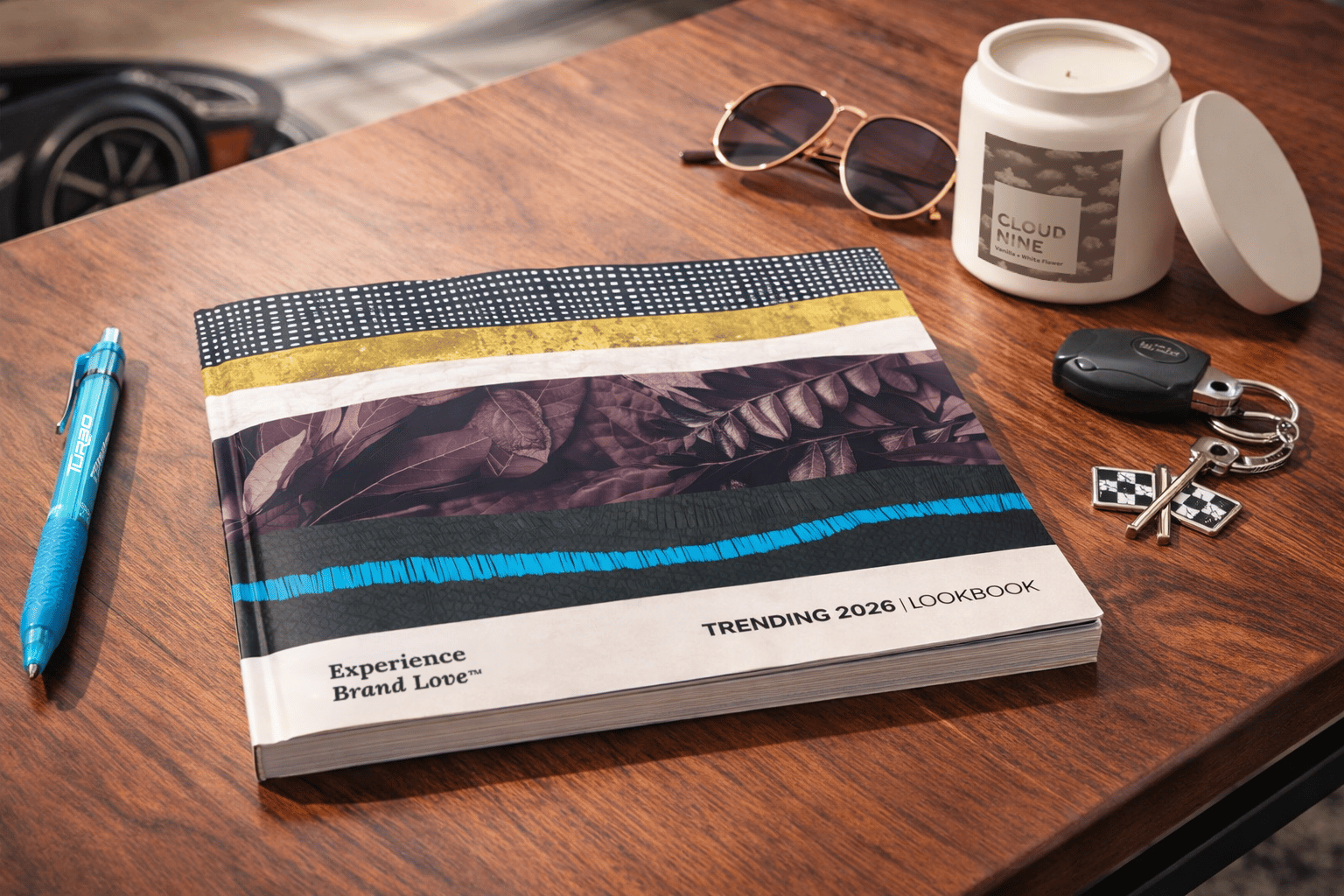
Nearly three-quarters (72%) of consumers report purchasing from a brand due to its branded merchandise. Add the ability to build brand awareness and inspire employee and customer loyalty, and it’s no surprise that branded merchandise campaigns are a great way to put your brand in front of new eyes.
But to make the most of your 2026 budget, it’s critical to plan the entire year upfront. When you’re looking to map out a year-long branded merchandise strategy in one go, here’s how to approach it.
Step 1: Learn from last year’s campaigns
Before planning your 2026 branded merchandise campaign, review your performance from the previous year:
- Which items delivered ROI?
- Did you miss an important event?
- Did anything take you by surprise?
- What went well?
Examining your past campaigns will reveal what to continue in 2026 and what mistakes to avoid, rather than guessing what might work.
Step 2: Link branded merchandise campaigns with brand goals
What do you want to achieve with branded merch? Are you aiming for brand awareness by encouraging social media shares and user-generated content? Or do you want to boost employee satisfaction? How you answer these questions will help you decide what merchandise to develop and who to target.
Match business goals with branded merch strategies:
| Brand goal | Audience to target | Recommended merch |
| Increase brand awareness |
|
|
| Drive social sharing through user-generated content |
|
|
| Improve employee satisfaction |
|
|
| Support customer retention |
|
|
| Boost community engagement |
|
|
Try setting SMART goals backed up by quantifiable metrics. For instance, instead of saying “We need to increase brand awareness,” set specific goals like:
- 50% more impressions or site visits in Q1 2026 compared to Q1 2025
- 30% boost in year-over-year employee retention
- 20% purchase increase in Q1
With a SMART goal, you can work backward from that goal to create a branded merchandise campaign.
Step 3: Build your annual calendar
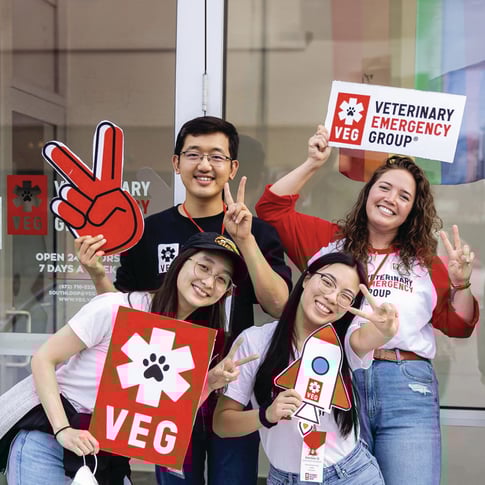
Your merch campaigns can perform better when planned around national conversations. Mark both important national holidays and fun or informal holidays on your calendar. Include important dates like your company’s anniversary, conferences you’ll attend, and events you’ll host to plan your campaigns with enough lead time.
Here’s an example of a 2026 calendar of events listing for the first trimester of the year, with notable dates of celebrations and opportunities for branded merch-based campaigns.
| Date | Event | Opportunity | Branded merch ideas |
|---|---|---|---|
| Jan 1 | New Year Kickoff | Kick off internal culture, wellness, or partner appreciation programs | Journals, premium drinkware, and at-home wellness kits |
| Jan (first week) | Company kickoff meetings | Set goals, align teams, and energize staff for the year ahead | Notebooks, desk organizers, and branded apparel |
| Jan 15 | National Hat Day | Engage the audience lightheartedly to create visibility | Branded hats, beanies, or caps |
| Feb (first week) | International Networking Week | Build professional connections and spark conversations | Badge holders, tote bags, tech accessories |
| Feb 14 | Valentine’s Day | Show client and employee appreciation | Desk upgrades, treat boxes, and branded plants |
| Feb 17 | Lunar Year | Celebrate cultural moments and strengthen Asia-Pacific partner and customer relationships | Themed gift set, red envelopes with QR-based messages |
| March 6 | Employee Appreciation Day | Recognize employees and boost morale | Personalized items, tech gadgets, premium drinkware |
| March 8 | International Women’s Day | Support DEI initiatives and community events | Products from women-owned suppliers, premium apparel |
| March 17 | St. Patrick’s Day | Drive engagement with lighthearted, themed campaigns | Green accessories, limited-run tee, event handouts |
| March 31 | End of Q1 | Celebrate achievements, reset culture, and reinforce team alignment | Team kits, notebooks, wireless accessories, NFC-linked welcome cards |
When you’re planning several campaigns at once, you need tools to keep everything organized. A spreadsheet for each month can work for small teams, but it gets messy if you’re scaling campaigns. Tools like Trello, Monday.com, Asana, and Hive let you build your branded merch calendar for the year and have an overview of all campaigns in one place. They also help your team stay accountable, so your efforts stay on schedule and hassle-free.
Of course, your Brand Consultant is also here to do the heavy lifting for your campaign mapping and execution as well! Just tag us in as an extension of your team. It's the Boundless advantage.
Step 4: Set a fair budget
Now that you have your goals and a calendar, you need to set a fair budget for each campaign. Estimate your annual merch spend and divide it into quarters. How you spend each quarter depends on several factors.
For example, Q4 tends to be the year-end peak, so you might allocate more funds than in Q2. However, every business has seasonality, and your promo production budget needs to account for that. You can break up the budget by month, event, campaign, or task.
Factor in a small buffer to handle unexpected price or tariff changes. Boundless’s diversified sourcing network can help you mitigate supply chain challenges without adding complexity to your planning. You’ll get access to global sourcing, warehousing, kitting, and fulfillment, so you can simplify operations and get the most out of your budget.
Step 5: Set up an omnichannel plan
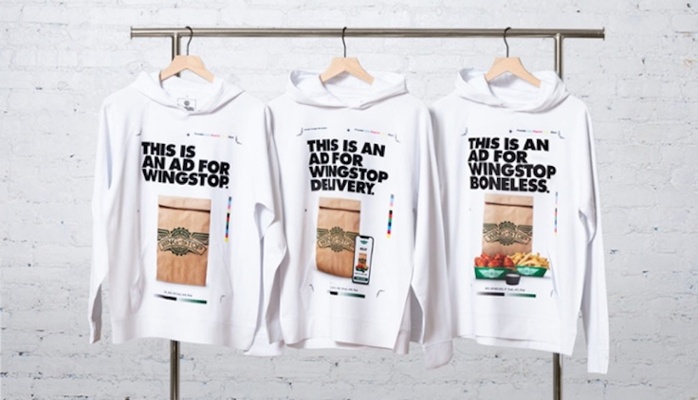
Merch is media. Branded products by themselves are an effective way to get airtime with your audience:
- 85% of consumers remember a brand after receiving a promotional product, with recall highest for apparel.
- 61% of people would look up a brand they aren’t familiar with if they received a promotional product from it.
- 53% of employees feel included in their team when they receive branded merch, and 62% feel appreciated by their employers.
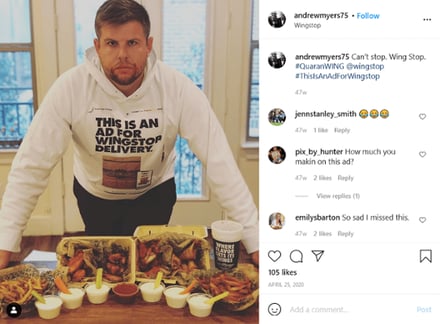
With an omnichannel approach, you can reach even more people. Pair physical products with QR codes or URLs that drive people to landing pages. You can also use social media posts or email campaigns to highlight product launches and integrate branded items into events and trade shows to create a shareable experience.
Plan your year-long merch strategy to set priorities and stay on track
Branded merchandise still commands attention even in the era of digital marketing. But its success is only as strong as your annual campaign planning. When you set overarching benchmarks for your promotional product performance, you reveal where you are now and where you want to be in a year.
You don’t have to do it alone. At Boundless, our team of Brand Consultants can shoulder most of the planning to help you craft an annual branded merchandise campaign that maximizes impact and matches your business goals. Explore our approach today to see how we help companies like yours turn branded merch into marketing ROI.