

_Optimized.webp?width=3000&name=Boundless100_Lookbook%20(1)_Optimized.webp)



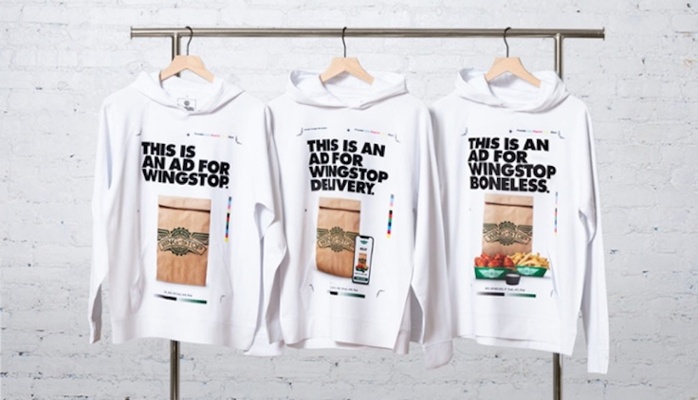
Merch can be one of the most environmentally efficient marketing channels
For years, the industry lacked concrete data to confirm what many marketers already suspected: promotional products are a powerful marketing medium.
Now the data exists.
A 2026 international study commissioned by PPAI and ASI compared branded merchandise with major advertising channels—including digital, TV, radio, print, and out-of-home—measuring both brand recall and carbon emissions.
The results challenge common assumptions.
Promotional products deliver up to eight times less carbon impact per memorized impression than digital advertising, while still generating strong brand recall.
Across U.S. and European markets, branded merchandise ranked among the lowest-carbon advertising channels studied, outperforming digital, TV, radio, and print when emissions were measured against recall.
Why?
Unlike traditional advertising, merch operates differently.
The metric that matters: carbon per memorized impression
Most advertising metrics measure cost per impression—how cheaply you can reach an audience.
While a digital ad lasts only seconds, merch keeps working long after.
Promotional products remain in people’s homes, offices, and daily routines, generating repeated exposure over time. That ongoing visibility produces memorized impressions, a stronger indicator of brand recall.
When carbon emissions are measured against those repeated impressions, promotional products emerge as one of the most environmentally efficient channels in the marketing mix.
The implication is clear:
The real opportunity lies not just in using merch, but in choosing the right merch.
Introducing PRISM™: the decision engine for responsible merch
Most organizations want sustainable merchandise. Few have the time to verify every claim across complex supply chains.
PRISM™ removes the guesswork.
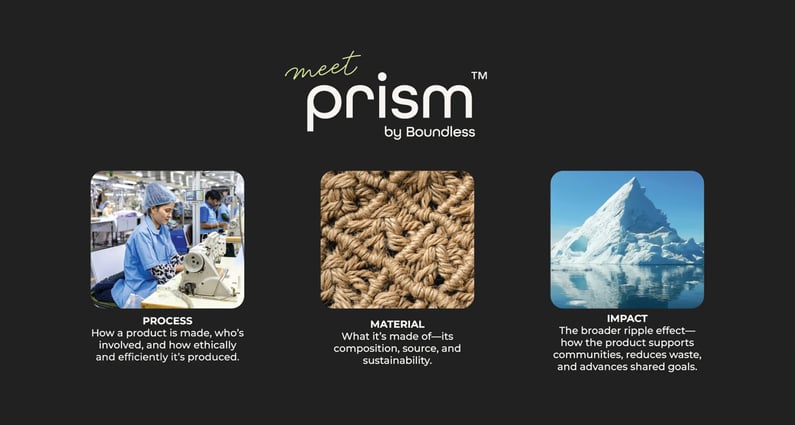
Our patent-pending scoring system evaluates promotional products using verified certifications and sourcing data, allowing brands to compare options using consistent criteria.
PRISM™ evaluates:
- Product lifecycle impact
- Material sourcing and responsibility
- Supply chain transparency
- Product durability and reuse potential
Rather than relying on vague sustainability claims, PRISM™ provides brands with a structured decision framework for choosing products that perform both environmentally and commercially.
Sustainability is shaping brand expectations
Consumers increasingly expect brands to demonstrate responsible practices.
Research shows:
- 41% of CPG growth comes from products marketed as sustainable, despite holding only 23.8% of the market share, according to the NYU Stern School of Business.
- 80% of consumers globally say they are willing to pay more for environmentally friendly products, according to a 2024 PwC survey.
- 91% of organizations that adopt sustainable practices report a positive overall impact, most notably in reputation (95%), strategic cohesion (80%), and investor confidence (76%), per a 2025 SBTi report.
Where marketing performance and ESG finally meet
Historically, marketing, procurement, and sustainability teams have measured success differently.
- Marketing measures engagement and reach
- Procurement focuses on cost and suppliers.
- ESG teams track environmental impact
PRISM™ aligns these priorities.
High-quality merchandise tends to stay in use longer, generating repeated brand impressions. Responsible sourcing reduces reputational risk. And durable products reduce replacement cycles.
Together, those factors extend product lifespan while improving marketing efficiency.
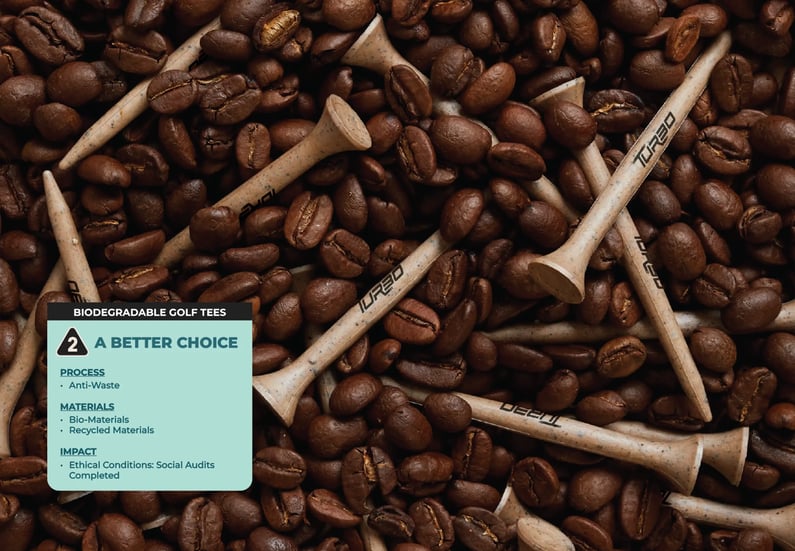
That’s the core idea behind merch as media:
When merchandise performs longer, both marketing impact and environmental efficiency improve.
How to build a more responsible merch strategy
Organizations modernizing their merchandise strategy should focus on a few key shifts:
- Evaluate lifecycle impact—not just unit price.
- Involve marketing, procurement, and ESG teams early in the process.
- Prioritize fewer, higher-utility items.
- Demand transparency in sourcing and manufacturing
- Measure retention, usefulness, and engagement over time
These decisions improve both campaign performance and sustainability outcomes.
Merch that performs
As advertising moves toward net-zero goals, brands are reevaluating how marketing channels contribute to emissions.
Promotional products offer a clear opportunity:
high-impact brand exposure with comparatively low environmental impact.
Through PRISM™, Boundless helps brands evaluate merchandise using a three-tier impact scoring system focused on responsible sourcing, product durability, and sustained engagement.
Because the future of promotional marketing isn’t just about distributing products.
It’s about deploying merch as media—strategically, responsibly, and measurably.
As Your Merch Media Agency™, Boundless helps brands turn merch into one of the most effective—and accountable—channels in their marketing mix.