



Most branded merchandise programs start with the same question: who are we reaching?
The answer usually comes back as a demographic profile. Age range. Job title. Region. Those data points have their place, but they rarely explain why one item ends up in someone's daily rotation while another sits untouched.
The difference often comes down to culture. Shared interests, rituals, and communities shape what people value, carry, and wear in ways that demographic data alone cannot predict. When your branded merchandise marketing strategy starts with cultural understanding rather than just browsing for the most popular item, you create products that earn a permanent spot in someone's life.
Here, we explore how marketing and brand teams can move past surface-level targeting to understand the fandoms and micro-communities shaping what people actually want to wear, use, keep, and share.
Key Takeaways
-
Demographics identify your audience, but culture explains what they value and why they keep specific merchandise.
- Fandoms and micro-communities share rituals, signals, and language that reveal which products will resonate most.
- Observation and active listening should always come before product selection when entering any new cultural community.
- The strongest merchandise strategies translate cultural insight into product choices, design, distribution, and experiences.
- Separating lasting culture from short-lived trends protects your branded merchandise investment and strengthens brand recall.
Why Demographics Alone Aren't Enough for Merchandise Strategy
Demographics tell you who someone is. They can point you toward a general region, age bracket, or professional role. But they stop short of explaining why someone gravitates toward a particular product, holds onto a branded item for years, or recommends it to a colleague.
Culture fills that gap. When you understand which communities your audience belongs to, what rituals they participate in, and what signals they use to recognize one another, you get a much clearer picture of what branded merchandise will actually land.
Culture Explains Behavior Better Than Demographics
Picture two marketing managers at similar companies. One is deep into running club culture and prizes functional, performance-oriented gear. The other collects vinyl and gravitates toward retro-inspired design. A demographic profile might group them together. A cultural lens leads you to two very different, and far more relevant, product selections.
This is the shift that matters for branded marketing merchandise: moving from who someone is on paper to why they care about certain products in practice. When you anchor your strategy in cultural insight, your merchandise choices become more intentional and more likely to stick.
Audience Relevance Drives Stronger Merchandise Outcomes
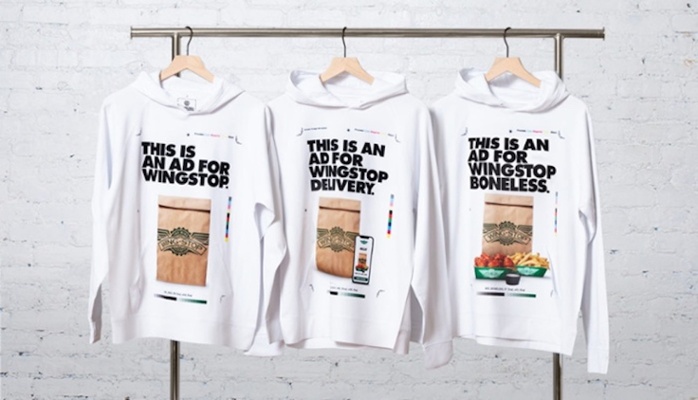
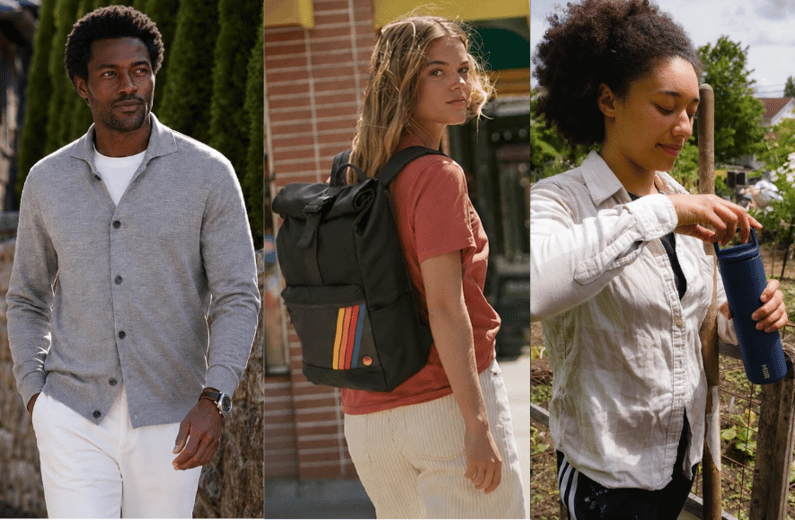
Relevance is what separates merchandise that gets used from merchandise that gets ignored. A hoodie that reflects a community’s aesthetic, references, or rituals has a reason to enter someone’s rotation. A generic item chosen purely for cost efficiency often ends forgotten in a storage closet.
According to PPAI Research (2026), 38% of consumers say an emotional connection to branded merchandise strongly increases their loyalty to a brand, and another 46% say it somewhat increases loyalty. That is a combined 84% of consumers whose brand connection deepens when the merchandise feels personally meaningful.
The takeaway: merchandise has more potential to strengthen brand connection when it feels personally meaningful.
What Fandoms and Micro-Communities Reveal About Branded Merchandise
Fandoms and micro-communities are more than audiences. They’re communities built around shared interests, with their own language, rituals, references, and signals of belonging. For brand and marketing teams, these groups offer a direct window into what products will be valued, displayed, and talked about.
Rituals, Signals, and Shared Language
Every strong community has identifiers. Run clubs have their race bibs and particular shoe brands. BookTok devotees display specific editions and annotation tools. Formula 1 fans wear team gear layered with personal style choices that signal exactly where their loyalty falls.
These are not random preferences. They are rituals and signals that reinforce belonging. When your branded merchandise taps into those existing codes, it shifts from a marketing item to a brand experience people actively want to share.
Observation Before Product Selection
The most effective branded merchandise strategies involve spending time in the spaces your audience already occupies before deciding what to create. This means studying online communities, attending the events, reading the conversations, and understanding the unwritten rules that govern each group.
Observation first, participation second.
Brands that skip this step risk producing merchandise that feels disconnected —or worse, like a brand trying too hard to belong. The goal is to join the conversation, not interrupt it.
How Marketers Can Spot the Right Community Cues
Recognizing that culture matters is the first step. Knowing where to look for authentic audience signals is the operational follow-through that separates strong merchandise programs from well-intentioned guesses.

Where to Look for Authentic Audience Signals
Creators and communities are the keepers of culture. Social platforms, niche forums, event recaps, creator content, and even comment sections can reveal what a community values before those behaviors ever appear in a trend report.
Pay attention to what people share voluntarily. The products they photograph, the inside references they use, and the way they describe their own community all reveal strategic insight that no survey or demographic report can replicate.
How to Separate Culture from Short-Term Trends
A trending product and a cultural movement are not the same thing. A trend can put a single item in high demand for a season, then fade. Culture sustains behavior over time and connects people through shared meaning that outlasts any single product cycle.
The distinction matters for your branded merchandise marketing strategy. A product should earn its place in a program because it resonates with the people receiving it, not because it dominated social feeds for a few weeks. When you understand why people are motivated to participate in a community, you can support their habits with merchandise that reinforces those behaviors rather than chasing momentary popularity.
"Understanding the behavior behind a trend helps brands decide whether a product belongs in the strategy or is just having a moment."
How Boundless Helps Brands Turn Insight into Branded Merchandise Strategy
Translating cultural understanding into a merchandise program requires creative execution backed by real operational depth. This is where the work moves from research and observation to strategic product selection, sourcing, and fulfillment.
Boundless combines agency-level creative thinking with the sourcing expertise and fulfillment infrastructure to bring culturally informed merchandise programs to life. From identifying the right product for a specific community to managing the logistics of getting it into the right hands, Boundless serves as a strategic partner across the full lifecycle of a merch program.
Boundless Brand Consultants work alongside your team creating: campaign merchandise for culturally-specific audiences, branded kits for community-driven events, and company stores that reflect the real interests of your workforce. The result is merchandise that feels intentional, relevant, and worth holding onto.
Want to dive deeper into the intersection of culture, community, and branded merchandise? Check out PPAI's latest article, where Boundless shares insights on turning cultural relevance into meaningful brand connections.
Frequently Asked Questions
What is a micro-community in the context of branded merchandise?
A micro-community is a group united by a shared interest, activity, or identity. Examples include run clubs, BookTok readers, and Formula 1 fans. Branded merchandise designed for these groups carries more relevance and stronger engagement than items aimed at broad demographics.
How does culture influence branded merchandise strategy?
Culture reveals why people value certain products, not just who they are. Rituals, shared language, and community norms shape what merchandise gets used and kept. Boundless uses cultural insight to help brands select products that align with their audience's real behaviors and preferences.
Why should marketers observe communities before creating merchandise?
Observation helps you understand a community's values, signals, and unwritten rules before producing anything. Skipping this step risks creating merchandise that feels disconnected. Boundless Brand Consultants research audience culture and community behavior as a foundation for every strategic merchandise program.
How is a fandom different from a demographic?
A demographic describes characteristics like age, location, or job title. A fandom is built around passion, participation, and shared rituals. Understanding both gives marketers a more complete picture of who they’re reaching and what may resonate.
How does Boundless help brands connect merchandise to cultural communities?
Boundless works as Your Merch Media Agency™, combining creative strategy with sourcing and fulfillment expertise. Brand Consultants partner with your team to identify cultural cues, select audience-relevant products, and manage end-to-end execution so your branded merchandise connects with the communities you want to reach.